
Chiropractic Care for Sciatica
Relieve Pain and Restore Mobility
Sciatica can cause sharp, shooting pain that radiates from your lower back through your hips, buttocks, and legs, making everyday activities uncomfortable and even unbearable. Whether triggered by a herniated disc, muscle tension, or degenerative changes in the spine, sciatica affects millions of people each year. Chiropractic care offers a safe, non-invasive solution to alleviate sciatic pain, address the underlying causes, and promote long-term relief and improved mobility.

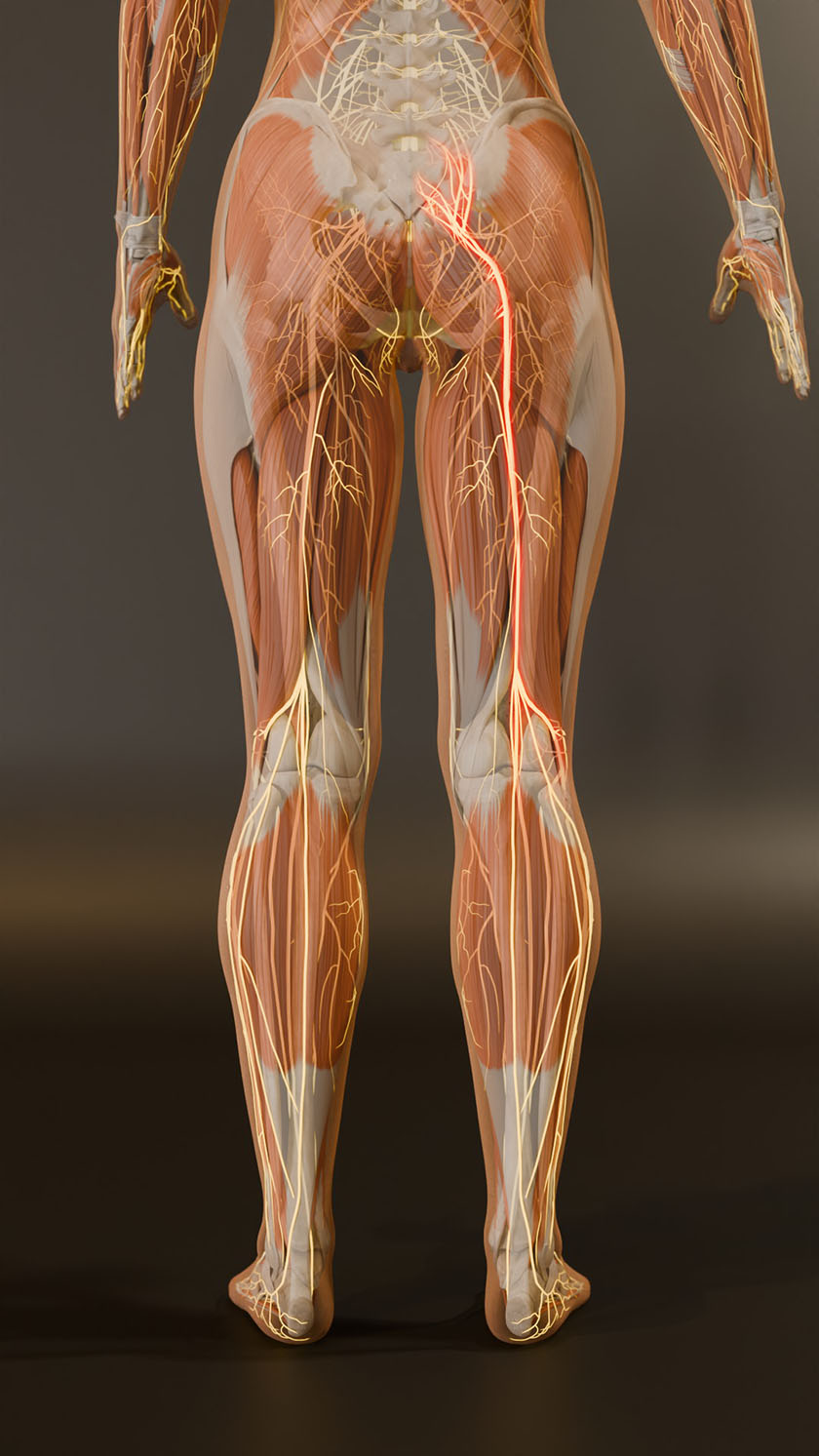
Why Do You Have Sciatica?
Sciatica occurs when the sciatic nerve, the largest nerve in the body, becomes compressed or irritated. This nerve runs from the lower back through the hips and buttocks, extending down each leg. Common causes of sciatica include:
- Herniated or bulging discs: A disc in the lower spine may press on the sciatic nerve, causing pain, numbness, and weakness in the leg or foot.
- Piriformis syndrome: The piriformis muscle in the buttocks can become tight or irritated, pinching the sciatic nerve and causing similar symptoms.
- Spinal stenosis: Narrowing of the spinal canal compresses the sciatic nerve, leading to pain and reduced mobility.
- Spondylolisthesis: When a vertebra slips out of place, it can compress the sciatic nerve, causing significant discomfort.
- Pelvic imbalances: Misalignments in the pelvis or sacrum can disrupt the balance of muscles in the lower back and hips, increasing strain on the sciatic nerve.
How Chiropractic Care Can Help
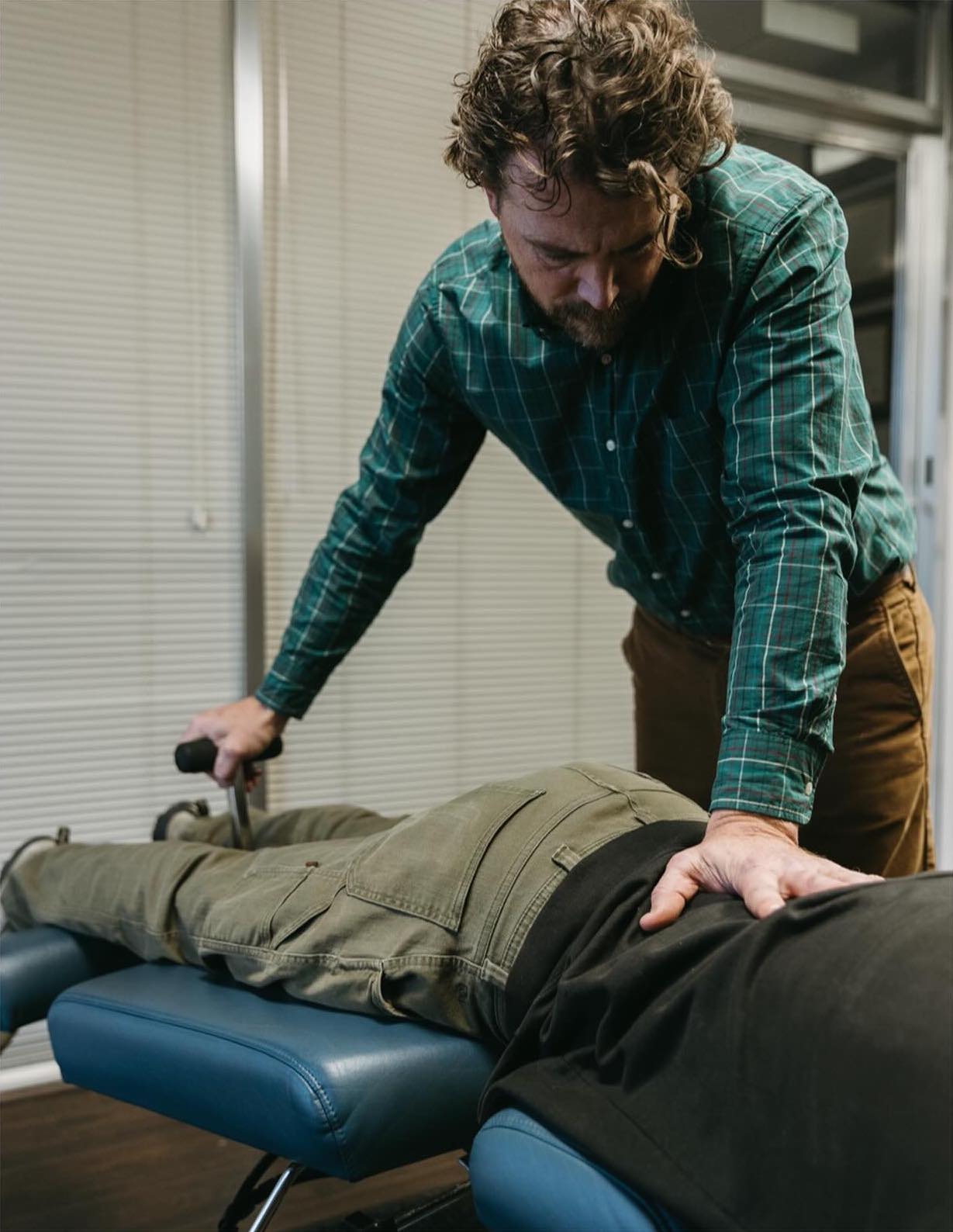
Chiropractic care targets the underlying factors that irritate the sciatic nerve, offering a combination of gentle, targeted techniques to relieve pressure, reduce pain, and restore proper function to the spine and pelvis.
- Adjustments: Chiropractic adjustments help restore proper alignment in the spine, pelvis, and sacrum, reducing tension in the lower back and balancing muscles in the hips. By alleviating pressure on the sciatic nerve, adjustments can relieve pain, improve mobility, and address the uneven stress that contributes to sciatica.
- Spinal decompression: In cases where a herniated disc is compressing the sciatic nerve, spinal decompression can relieve pressure on the disc, allowing it to heal and reducing sciatic pain.
- Muscle release therapy: Tight muscles in the lower back, hips, or buttocks, such as the piriformis, can worsen sciatic pain. Soft tissue techniques release tension and improve muscle balance, reducing nerve irritation.
- Postural correction: Poor posture, particularly while sitting or during repetitive movements, can exacerbate sciatica. Chiropractic care includes guidance on improving posture and ergonomics to prevent future flare-ups.
Chiropractic care doesn’t just address the symptoms of sciatica. It focuses on the underlying causes, helping your body heal and reducing the likelihood of recurring pain.
What’s In It for You?
Chiropractic care offers a natural, drug-free solution to help you regain comfort and mobility. By targeting the source of your sciatic pain, chiropractic adjustments can:
Relieve pain
Chiropractic care can reduce the pressure on the sciatic nerve, offering immediate and long-lasting pain relief.

Restore mobility
With reduced nerve irritation and improved spinal function, you’ll regain the ability to move more freely and comfortably.

Restore muscle balance
By adjusting the pelvis and sacrum, chiropractic care can help restore balance in the muscles of the lower back and hips, reducing strain on the sciatic nerve.

Prevent recurrence
Ongoing chiropractic care can help maintain spinal health, lowering the risk of future sciatic flare-ups.
Ready for Relief from Neck Pain?
Don’t let neck pain control your life. With personalized chiropractic care, you can experience relief, restore your mobility, and improve your overall health.